With age, everyday tasks can become more challenging, requiring additional support. Living in a senior living community is the best way to make life easier. They provide a myriad of personal care services, tailored to a resident’s medical needs.
Whether you’re looking for a senior living community for yourself or a loved one, it’s important to know exactly which personal care services are included. This guide will offer clarity. Here’s a brief breakdown of five essential personal care services:
1) Personal Hygiene
Assisted living communities place a strong emphasis on hygiene for residents, given how it has a significant impact on their physical health and emotional well-being. Team members regularly assist with bathing, grooming, dressing, oral care, and skincare.
At LakeHouse Cedarburg, the staff members are trained to provide care that maintains a resident’s comfort and dignity. Hygiene care services are typically centred around each resident’s specific needs and mobility levels.
2) Grooming and Dressing
Care providers at a senior living community also help with grooming and dressing. Staff might help with daily routines such as brushing teeth, washing hands, and face care.
Moreover, they can help with shampooing, conditioning, and drying hair. This is necessary to prevent dry or frizzy hair, which might lead to long-term hair issues. Staff at a senior care community also help residents get dressed. They might use adaptive tools, such as button hooks, zipper pulls, and elastic laces, to aid in dressing.
3) Mobility Support
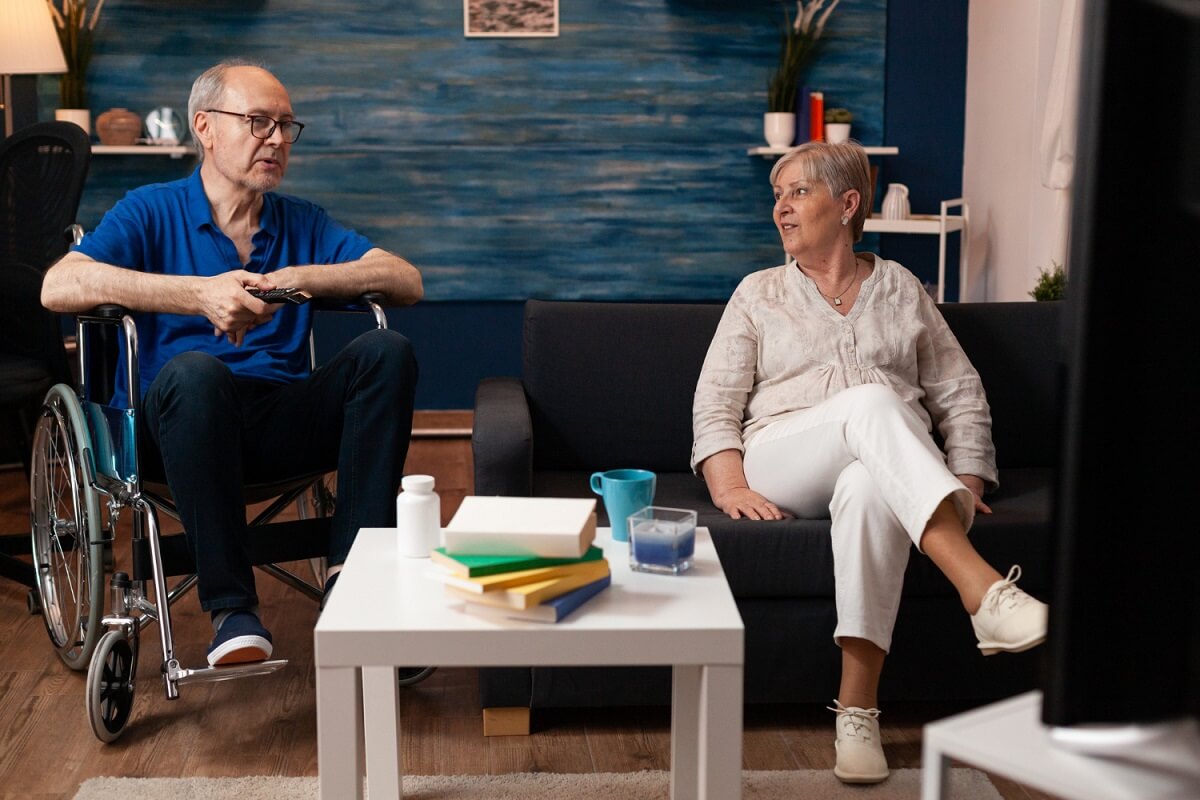
One of the greatest challenges of aging is a lack of mobility. Seniors find it difficult to get out of bed or use the bathroom. Senior living communities provide mobility support in a number of ways. This includes:
Mobility-friendly layouts: The overall design of a senior living community is intended to minimize slips and falls. This includes step-free entryways, widened hallways, and single-level homes.
Non-slip flooring mats: These are placed in bathrooms and hallways. Carpets with low pile and non-slip vinyl are excellent options.
Grab-bars and handles: These are installed in bathrooms and bedrooms to help residents stay independent.
Through mobility support, senior living communities ensure personal care, improving the residents’ quality of life.
4) Medication Management
Medication management is another critical aspect of personal care. Senior living communities have trained staff that can administer injections and IVs. Moreover, they make sure residents take their medicines on time. Staff would provide reminders and manage pill boxes.
5) Nutrition and Dining
Taking a healthy and balanced diet for residents is a necessity. Their physical health and emotional well-being depend on what they eat. This is why senior living communities provide nutrition and dining support as part of their personal care services.
They would help with grocery shopping and preparing meals. Staff members are also trained to collaborate with a nutritionist to help residents maintain a healthy diet and prevent malnutrition.
Conclusion
Personal care services are more important than most aging adults or caretakers realize. They help residents maintain independence and improve their quality of life. Family members, too, have peace of mind when their loved ones are in good hands.