
You might be feeling like your world split in two the moment you heard the words “congestive heart failure” about your dog or cat. There was the time before, when a little cough or slowing down just seemed like age, and the time after, when every breath they take feels like something you need to watch. You may be scared to sleep, afraid you will miss a change in their breathing, and you may be second-guessing every decision, wondering if you should look into cardiology for pets in Longwood.
You are not overreacting. Heart disease in pets is serious, and the term “failure” sounds terrifying, yet with a veterinary cardiologist guiding treatment, many pets live meaningful, comfortable lives for months or even years. In simple terms, congestive heart failure means the heart is struggling to pump strongly enough, so fluid builds up in the lungs or belly. The good news is that cardiologists have a clear toolbox to manage that fluid, support the heart, and help you know what to watch for at home.
So, where does that leave you right now? This guide walks through what congestive heart failure means for your pet, how veterinary cardiologists think about it, which treatments are commonly used, and what you can do today to feel less helpless and more prepared.
What does congestive heart failure in pets really mean for your day-to-day life?
Heart failure often creeps in quietly. Maybe your dog started coughing a bit at night, or your cat began hiding more and breathing faster. At first, it was easy to blame the weather, allergies, or age. Then, suddenly, there was an emergency visit, chest X-rays, oxygen, and the phrase “fluid in the lungs.” Everything changed in a weekend.
The medical side is one part. The emotional and financial toll is another. You might be asking yourself hard questions. How much treatment is too much? How do I know if my pet is still happy? Can I afford long-term heart medications and repeat cardiology visits? This tension is real, and it deserves to be acknowledged, not brushed aside.
From a medical standpoint, congestive heart failure treatment in dogs and cats usually focuses on three things. Removing or preventing fluid buildup, improving how well the heart pumps, and controlling blood pressure and heart rhythm. Tufts University offers a clear overview of these approaches in their description of treatment for congestive heart failure in pets.
So how does this translate into daily life for you and your pet?
How do veterinary cardiologists actually manage heart failure in dogs and cats?
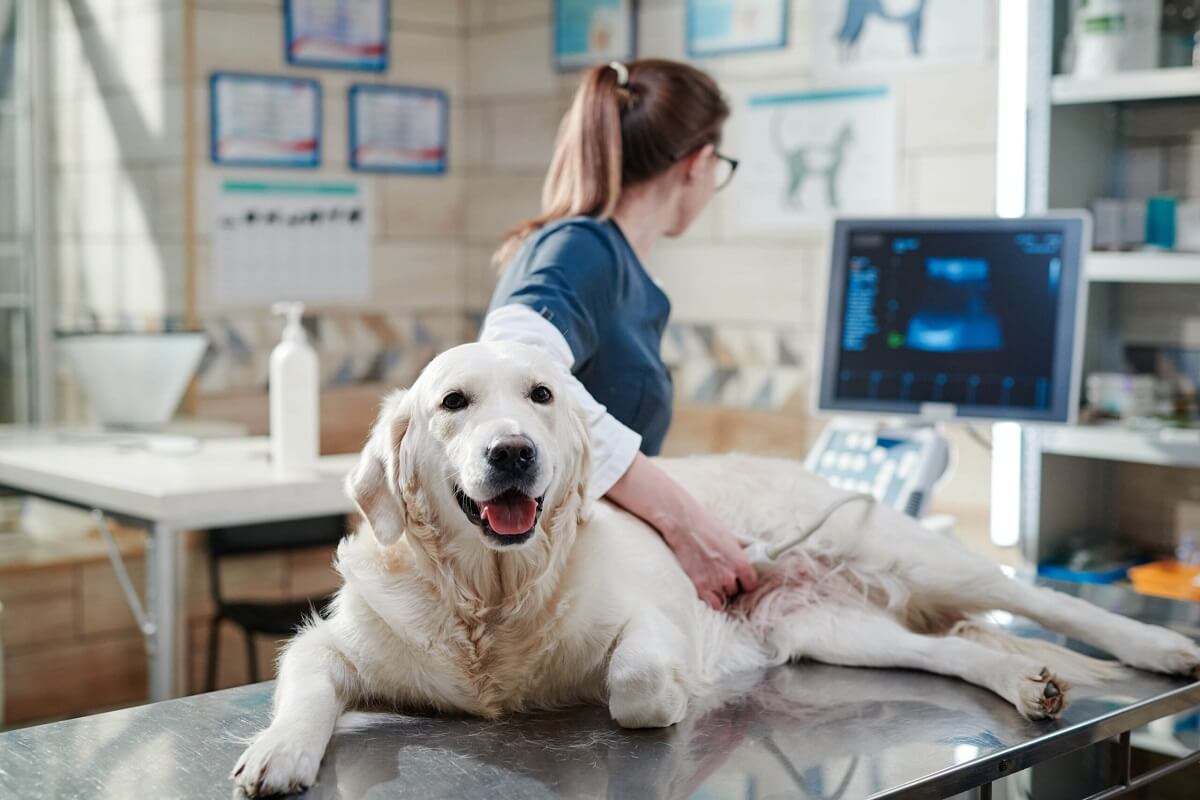
A veterinary cardiologist looks at your pet’s heart as a whole system. They use tests like echocardiograms (heart ultrasounds), chest X-rays, and blood pressure readings to figure out which part of the system is struggling most. Is the problem mainly leaky valves? Weak heart muscle. High blood pressure. Or a mix.
Once they understand the pattern, they usually build a plan around several key tools.
1) Diuretics to remove extra fluid.
These are often called “water pills,” like furosemide or torsemide. They help your pet pee out extra fluid so it does not sit in the lungs or belly. In a crisis, these drugs may be given by injection in the hospital. At home, they are usually given by mouth, sometimes multiple times per day. Too much can stress the kidneys or cause dehydration, so cardiologists adjust the dose carefully, often using blood tests and home breathing counts as guides.
2) Medications that support the heart’s pumping power.
Drugs like pimobendan help the heart squeeze more effectively and also open up blood vessels so blood can move more easily. These medications have been shown in research to extend both survival time and quality of life in many dogs with heart failure. North Carolina State University’s cardiology service has a helpful overview of how they structure heart failure treatment for dogs and cats that often includes these medications.
3) Blood pressure and hormone control.
ACE inhibitors, such as enalapril or benazepril, help relax blood vessels and reduce the strain on the heart. Other drugs may be added to control high blood pressure or abnormal heart rhythms. Each pet’s plan is customized, which is why a specialist’s guidance can be so reassuring.
4) Oxygen and emergency care when breathing is hard
If your pet is in respiratory distress, they may need oxygen, injectable drugs, and sometimes a short hospital stay in an oxygen cage. This is often the scariest part for caregivers. A cardiologist’s goal is not just to stabilize the crisis, but to send you home with a clear plan to reduce the chance of another emergency.
Because of all these moving parts, many cardiology teams use structured education programs. The Tufts HeartSmart program is one example of a resource designed to help caregivers understand heart disease and heart failure management in pets in plain language.
Is it better to manage heart failure at home or with a veterinary cardiologist?
Some people wonder if they really need a specialist or if their regular veterinarian can handle everything. It is a fair question, especially when you are watching costs and time. The truth is that general veterinarians can do a great deal, and in many areas, they work hand in hand with cardiologists. The choice is not “either or” as much as “how do we build the right team for my pet?”
The comparison below highlights how care may differ when you involve a board-certified veterinary cardiologist for pet heart failure management.
| Aspect | Managed Only By Primary Vet | Managed With Veterinary Cardiologist |
|---|---|---|
| Diagnostics | Basic X-rays, bloodwork, in-house ECG if available | Advanced echocardiogram, detailed ECG, targeted blood tests, precise staging of disease |
| Medication Plan | Standard starting doses, adjusted based on symptoms | Customized drug combinations, fine-tuning of doses using imaging, lab trends, and breathing data |
| Monitoring | Clinic rechecks every few months or when problems appear | Structured follow-up schedule, home monitoring plan, clear thresholds for when to call or seek ER care |
| Access to Research & Guidelines | General knowledge and experience | Up to date use of guidelines, such as those shared through the Cardiac Education Group congestive heart failure brochure |
| Quality of Life Planning | Broad advice on comfort and end of life | Detailed discussions about expected course, crisis planning, and tailored quality of life checklists |
This does not mean you failed your pet if you cannot see a cardiologist. It means that when you can involve one, you often gain clarity and a stronger roadmap. When you cannot, your primary vet can still use many of the same principles to guide care.
What can you do right now to help your pet with congestive heart failure?
You do not have to fix everything today. A few focused steps can lower your pet’s risk of crisis and also ease your own anxiety.
1) Learn your pet’s “normal” breathing and track it daily
Count your pet’s breaths when they are asleep or very relaxed. One breath is in and out. Use a timer for 30 seconds and double the number. For most stable dogs and cats with heart failure, a sleeping respiratory rate under about 30 breaths per minute is often acceptable, though your cardiologist may give a different target. If the rate climbs significantly or you see effort, flaring nostrils, or abdominal push, treat it as a red flag and call your care team or an emergency clinic.
2) Create a simple medication and monitoring routine
Write down every medication name, dose, and time in one place. Use a pill organizer or phone alarms so doses are not missed. Ask your vet what side effects to watch for, such as increased thirst, reduced appetite, vomiting, or weakness. Plan ahead for refills so you are not scrambling after hours. A calm, predictable routine often reduces stress for both you and your pet.
3) Talk openly about limits, goals, and quality of life
It is okay to say, “I want my pet comfortable, but I cannot manage repeated hospitalizations,” or “I am willing to do more if it will give them a good time, not just more time.” Your cardiologist or primary vet can help shape a plan that matches your boundaries. Ask them to be honest about what to expect in the next weeks and months. These conversations may feel heavy, yet they often bring relief because everyone understands the same goals.
Finding a way forward with congestive heart failure in your pet
Hearing that your dog or cat has heart failure hurts. It changes how you look at every cough, every nap, every skipped meal. At the same time, many pets with heart disease still enjoy walks, cuddles, sunbeams, and treats, even while taking several medications a day. With thoughtful support from a veterinary cardiologist and your primary care vet, you can shift from constant panic to informed watchfulness.
You do not have to carry this alone. Reach out to your veterinary team, ask the questions that keep you up at night, and keep refining the plan as your pet’s condition changes. The goal is not perfection. It is a stretch of time where your pet is as comfortable and content as possible, and you feel that you honored them with clear, loving choices.