
Key Takeaways
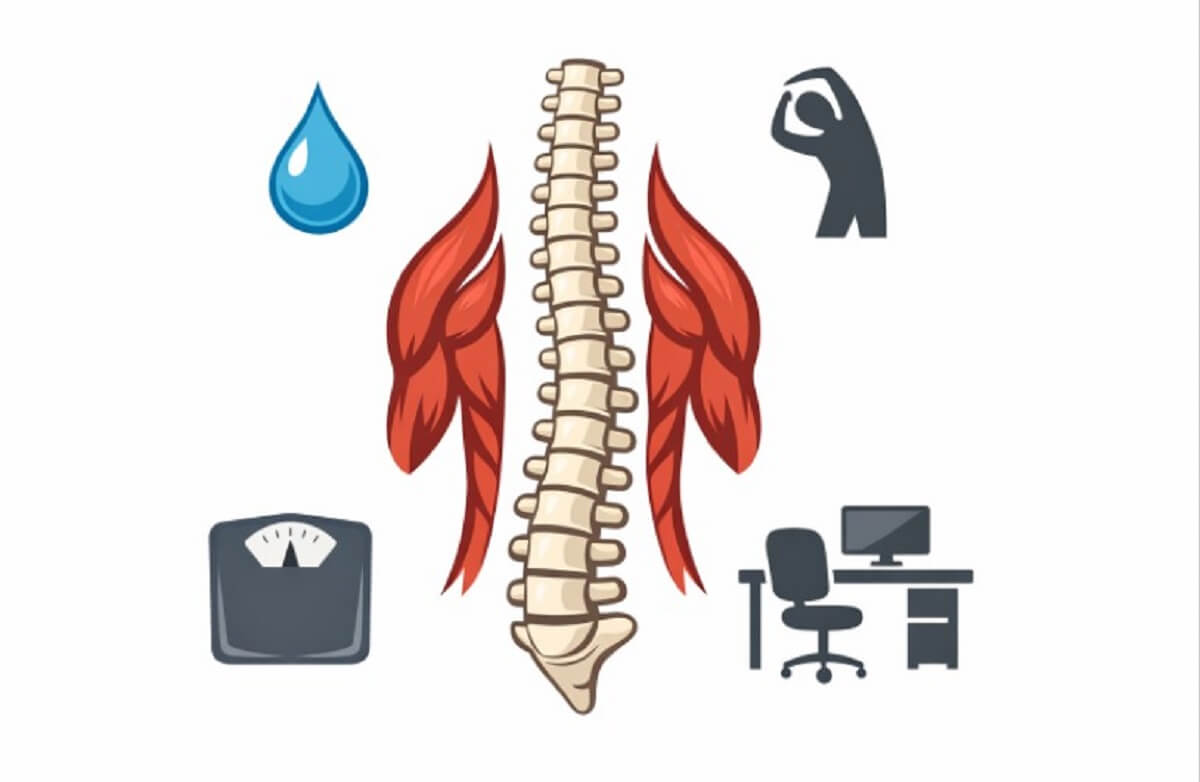
- Consistent physical activity strengthens the muscles supporting the spine.
- Proper posture reduces unnecessary strain on spinal structures.
- Regular stretching enhances flexibility and prevents stiffness.
- Ergonomic workspaces minimize the risk of back pain.
- Maintaining a healthy weight alleviates pressure on the spine.
Maintaining a healthy spine is essential for both comfort and mobility. With a few practical changes, you can prevent daily aches and protect your spinal health for the long term. If you need expert guidance or are experiencing back pain, consider consulting a Fort Lauderdale chiropractor for tailored advice and treatments.
Table of Contents
- Stay Active with Regular Exercise
- Maintain Proper Posture
- Stretch Regularly
- Set Up an Ergonomic Workspace
- Maintain a Healthy Weight
- Practice Proper Lifting Techniques
- Ensure Supportive Sleep Habits
- Stay Hydrated
Your spine plays a central role in body movement and nerve function, so supporting it with mindful routines makes a huge difference. Everyday actions, from sitting at your desk to sleeping at night, can either help or harm your back. Embracing simple habits will foster spinal health and keep you feeling your best.
Stay Active with Regular Exercise
Regular physical activity is one of the most powerful tools for spinal health. Activities like walking, swimming, cycling, and yoga keep the supporting muscles strong and your body flexible. Try to engage in at least 30 minutes of moderate exercise most days of the week. Exercise not only prevents stiffness but also boosts circulation, delivering nutrients to spinal discs and tissues. For guidance on starting or adjusting your routine, the Mayo Clinic provides evidence-based fitness tips for back health.
Additionally, making exercise a social or enjoyable part of your daily routine can increase adherence. Find a workout buddy or join a class that emphasizes core strength and flexibility, two pillars of spinal protection. Even simple balance and stability exercises, such as standing on one foot or using a stability ball, can engage deep support muscles and further reduce the risk of injury. If you are just starting out, always warm up to prepare your spine for activity, and cool down afterward to minimize any tension buildup.
Maintain Proper Posture
Posture affects your spine throughout the day, whether you are sitting at a computer or standing in line. When sitting, keep your back straight, shoulders relaxed, and your feet flat on the ground. If you are working for long periods at a desk, use a chair with lumbar support and adjust your monitor so it is level with your eyes. Good posture not only prevents discomfort but also helps avoid more serious issues like disc herniation and nerve compression.
Mobile devices can be a hidden culprit when it comes to poor posture. The habit of looking down at a smartphone for prolonged periods can lead to “text neck,” increasing strain on the cervical spine. Be mindful of holding devices at eye level and taking frequent breaks to stretch your neck and shoulders. Setting reminders to check your posture and move around can make a major difference in reducing chronic neck or back pain from digital device use.
Stretch Regularly
Stretching is crucial for flexibility and spinal alignment. Integrate stretches for your lower back, hamstrings, neck, and hip flexors into your daily routine. Even a short morning or evening stretch session can make a significant difference. Regular stretching helps relieve tension, improve mobility, and decrease the likelihood of strains or spasms often associated with sedentary lifestyles.
Some easy stretches you can try include the child’s pose, cat-cow stretch, and gentle spinal twists. These movements not only release muscle stiffness but also promote circulation to the spinal area. Remember, stretching should never be a painful move; gently hold each position for 15–30 seconds. If you feel discomfort, ease out of the stretch and consult a professional for modifications tailored to your needs.
Set Up an Ergonomic Workspace
An ergonomically designed workspace significantly reduces the risk of spinal problems. Adjust your chair so it supports the natural curvature of your spine, and keep your keyboard and mouse within easy reach. Your monitor should be at eye level to prevent leaning forward or hunching. Close attention to workplace design can alleviate tension and help you remain productive and pain-free throughout the day. For more details, visit Mayo Clinic’s ergonomic guidelines.
Adding accessories such as a footrest, a document holder, or a standing desk option can further enhance spinal comfort. Change your working position throughout the day if possible, alternating between sitting and standing helps reduce cumulative strain. Don’t forget to take regular micro-breaks: brief, frequent pauses to move around, stretch, or adjust your position can greatly reduce spine fatigue and improve focus.
Maintain a Healthy Weight
Extra weight, especially around your abdomen, increases stress on the lower spine and can shift its natural alignment. Maintaining a healthy weight through a balanced diet and regular exercise lessens the pressure on spinal structures and mitigates the risk of chronic back pain. Consult with a healthcare provider for personalized recommendations based on your body’s needs.
Beyond exercise and diet, habits such as mindful eating, portion control, and stress management all contribute to sustainable weight management and better spine health. Certain foods can also promote spinal wellness. For instance, consuming anti-inflammatory foods like fruits, vegetables, nuts, and oily fish may help reduce inflammation in spinal tissues and joints.
Practice Proper Lifting Techniques
Lifting objects incorrectly is a common cause of spinal injury. Always bend at your knees and hips instead of your waist, keep objects close to your body, and hold your back straight as you rise. Avoid twisting while lifting, as this can cause painful sprains or herniated discs. When lifting heavier items, do not hesitate to ask for help.
Plan your lift before you begin, and clear your path if you need to carry objects across a room. If you need to lift repeatedly at home or work, consider using lifting aids or adjustable carts to minimize the load on your spine. Practicing mindfulness while lifting and setting up your environment properly can significantly lower the risk of injury.
Ensure Supportive Sleep Habits
Quality sleep is essential for spinal recovery and overall health. Use a mattress that provides support without being too rigid, and opt for a pillow that keeps your head aligned with your spine. Side sleepers may benefit from placing a pillow between their knees, while back sleepers can use a small pillow under their knees to reduce lower back tension. Sleeping on your stomach is best avoided as it may strain the neck and back.
Evaluate your sleep routine regularly. Mattresses and pillows wear out over time, affecting how well they support you. Create a calming bedtime ritual, avoid screens before sleep, and keep your bedroom environment cool and dark. Prioritizing restorative sleep fosters proper overnight healing for spinal tissues, helping you wake up refreshed and pain-free.
Stay Hydrated
Your spinal discs need adequate water to cushion the vertebrae and maintain their elasticity. Dehydration can lead to heightened disc degeneration over time, increasing pain and reducing flexibility. Aim to drink water consistently throughout the day for optimal spine health and overall body function.
Carry a reusable water bottle as a reminder to hydrate, and incorporate water-rich foods like cucumbers, oranges, and leafy greens into your diet. Proper hydration also aids in nutrient transport and waste removal, both of which contribute to healthy spinal tissues. Pay attention to your hydration, especially during exercise, heat, or illness. Hydrated discs function as natural shock absorbers, ensuring smooth, pain-free movement.
Building these daily habits will go a long way in preserving your spine’s health and your quality of life. Prioritizing your spine can help prevent many common sources of discomfort and allow you to stay active and pain-free for years to come.