


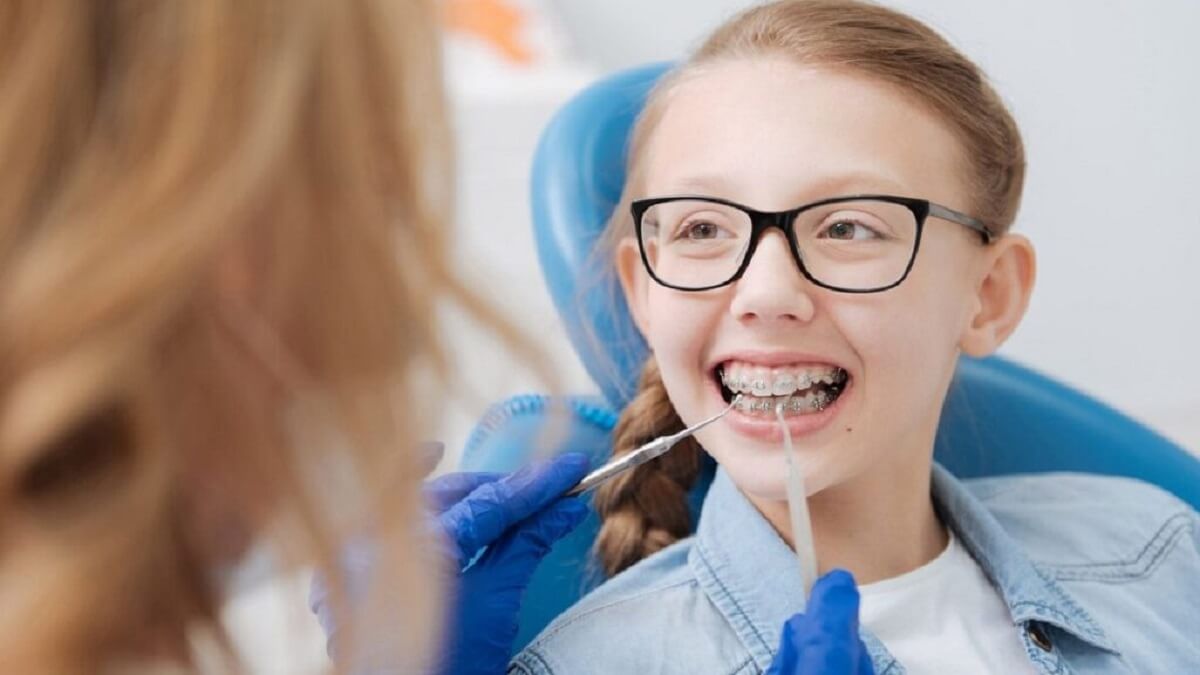
Your teen may not say much about their teeth. You might still sense something is off. Crowded teeth, a tight jaw, or a closed smile can wear on a young mind. They can hurt confidence. They can also affect eating and speaking.
Early action at home can change that path. Family oriented orthodontic care looks at your teen’s needs and your family’s daily life. It respects your time, your budget, and your stress level. It also plans for younger siblings who may need care later. An orthodontics dentist in Joliet, IL can guide you through clear steps.
You learn what is urgent, what can wait, and what will bring the most relief. This support gives you control. It also gives your teen a sense of safety. In this blog, you will see four clear signs that it is time to ask for help.
Sign 1: Your Teen Hides Their Smile
Watch your teen’s face in quiet moments. A teen who covers their mouth when they laugh or avoids photos may feel deep shame about their teeth. This silence can spread into other parts of life. It can affect school, sports, and friendships.
Look for these signals.
- They smile with lips closed in every photo.
- They refuse school pictures or yearbook photos.
- They avoid talking face to face.
These habits are not “just teen mood.” They can show real pain. Crooked teeth or a bite problem can make your teen feel different or weak. Timely orthodontic care can straighten teeth and also give your teen a sense of strength. You send a clear message. Their comfort matters. Their voice matters.
Sign 2: Your Teen Has Trouble Chewing or Speaking
Teeth do more than shape a smile. They help your teen chew, bite, and speak. When teeth do not meet well, daily tasks can turn into quiet struggles. Your teen may not complain. You may still see signs.
Common clues include these.
- They cut food into tiny pieces to avoid biting.
- They chew on one side of the mouth.
- They stumble on certain sounds or words.
The Centers for Disease Control and Prevention notes that poor oral health can affect eating and speaking. It can even affect school performance. A family-oriented orthodontic plan helps you sort out what is normal and what is not. You gain clear options that match your teen’s stage of growth.
Chewing and Speech Signs That May Point to Orthodontic Needs
| Sign | What You May Notice at Home | Possible Cause
|
|---|---|---|
| Chewing pain | Your teen avoids hard foods like apples or carrots | Teeth do not meet in a stable way |
| Food trapping | Food sticks between crowded teeth after every meal | Crowding or rotated teeth |
| Speech trouble | Lisp or unclear “s” and “sh” sounds | Gap between teeth or open bite |
These patterns can strain your teen’s body. They can also strain self-respect. Early support can ease both.
Sign 3: Your Teen Has Jaw Pain or Frequent Headaches
Jaw pain wears a teen down. It can come and go without a clear cause. Many teens shrug it off. They may call it “a normal headache.” You can often see more.
Warning signs can include these three patterns:
- Morning headaches after nights of teeth clenching.
- Clicking or popping in the jaw while eating.
- Face, neck, or ear pain with no clear reason.
Teeth that do not line up can force the jaw to work in a twisted path. Over time, this can lead to muscle strain and chronic pain. A family-focused orthodontic plan studies how your teen’s teeth and jaw move in daily life. It then sets small steps that fit school, sports, and sleep.
The National Institute of Dental and Craniofacial Research explains that teen oral problems can affect comfort and quality of life. Jaw pain is one of those quiet pressures. You do not need to wait until the pain becomes constant. A check can rule out serious problems and offer simple changes at home.
Sign 4: Your Teen’s Bite Looks Uneven
You do not need special training to spot many bite problems. A quick look can tell you a lot. Ask your teen to gently close their teeth. Then look from the front and from each side.
Common bite concerns include these:
- Overbite. The top front teeth cover most of the bottom teeth.
- Underbite. Bottom front teeth sit in front of the top teeth.
- Crossbite. Some top teeth sit inside the bottom teeth when biting.
- Open bite. Front teeth do not touch when the mouth is closed.
Uneven bites can wear teeth down. They can also make brushing and flossing harder. This raises the risk of cavities and gum disease. A family-oriented orthodontic plan looks at your teen’s bite and your family’s capacity. It balances what needs care now with what can wait. It keeps younger children in mind, so you can plan ahead.
How Family-Oriented Orthodontic Care Supports You
Orthodontic care can feel large and heavy. A family-centered approach breaks it into clear steps. It also respects your limits. You do not need to figure this out alone.
When you meet with an orthodontic dentist, you can expect three core pieces:
- A clear review of your teen’s teeth, bite, and jaw.
- Simple language about what is happening and why.
- Options that match your schedule, your budget, and your teen’s comfort.
Some teens need braces. Others may use clear aligners or simple devices. Some only need watchful waiting. The right plan should fit your home life so you can keep school, work, and activities steady.
Taking the Next Step
You know your teen better than anyone. If you see one or more of these four signs, trust that concern. A short visit with an orthodontic dentist can bring sharp clarity. It can also bring relief to your teen’s body and mind.
Start by writing down what you see at home. Bring photos or notes to your visit. Ask every question that rests on your mind. Caring for your teen’s teeth is also caring for their confidence, their social life, and their future health. You do not need perfect teeth to deserve care. You only need a concern worth checking.

