


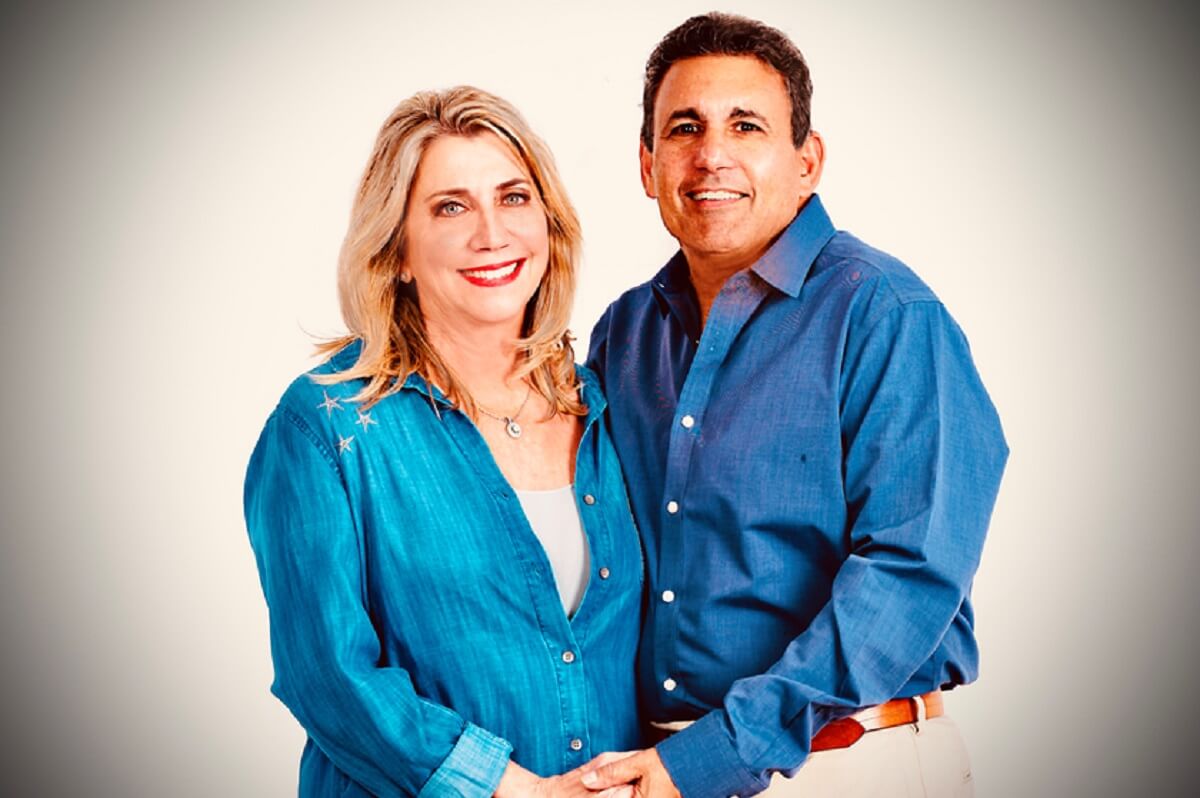
Ralph Byer is a Plantation, Florida-based wealth management advisor and managing director who leads the Byer Wealth Management Group. His work focuses on wealth protection, preservation, growth strategies, retirement income, philanthropy, and risk-mitigation planning for a select group of businesses and family clients. Ralph Byer has developed experience in comprehensive investment planning, including globally blended low-correlated asset classes, tax minimization, long-term care planning, and legacy strategies.
Based in Florida, he has professional and community ties to a state where hurricane preparedness, infrastructure resilience, and coastal protection remain important public concerns. His background in risk management and long-term planning provides a neutral connection to the topic of hurricane prevention efforts involving Florida military infrastructure and living reef systems.
Hurricane Prevention for Florida Air Force Base Covers Living Reefs
Hurricane preparedness in Florida aims to protect residential and commercial areas from damage. Following the devastating effects of Hurricane Michael on Tyndall Air Force Base (AFB) in northwest Florida, the Pentagon designed a robust natural barrier to prevent serious damage in another emergency, adding to the state’s preparedness aims.
When the Category 5 hurricane made landfall on October 10, 2018, base leaders found themselves unprepared. The storm “virtually leveled” the 29,000-acre installation, with fighter jets flipped and hangars tasked with protecting aircraft crumpled. In the aftermath, the Air Force Civil Engineer Center (AFCEC) undertook a $293 million task order within the purview of the Air Force Contract Augmentation Program. It accomplished mission-critical goals, such as restoring HVAC and electrical services to essential facilities, and marked the start of a rebuilding process estimated to cost $4.9 billion in total.
By 2023, the plans had transformed Tyndall Air Force Base from a disaster scene into a fully functioning “installation of the future.” All new facilities can withstand extreme storm surges, intense wind speeds, and rapid water-level increases. At the same time, planners installed a Digital Twin as a 3D model that operates in real time to track all aspects of the facility. Through the Installation Resilience Command and Control System, military leaders can access and use Tyndall AFB data to make real-time decisions.
The Air Force Office of Energy Assurance has also proposed a microgrid, in conjunction with privatized utilities, to power the base independently should the main power grid fail. The most creative and ambitious hurricane preparedness project involves implementing a Reefense strategy. For example, the Defense Advanced Research Projects Agency (DARPA) program focuses on creating “self-healing” reef-mimicking, hybrid biological and engineered structures. In layman’s terms, the living reef features natural and engineered components.
The Living Shoreline Mosaic consists of porous concrete modules seeded with small juvenile oysters (known as spat) that thrive in surrounding seagrass and marsh ecosystems. In late 2024 and early 2025, teams installed the modules offshore from the base across the Florida Panhandle, which has delivered a far greater positive effect than expected, reducing ocean wave power reaching the shore by 90 percent.
In many ways, the results reflect that the oysters engage in vertical reef building, as spat settle on the shells of adult oysters, both living and dead. It mimics a natural reef-building process, with the live oysters settling on a top layer that maintains the integrity of the dead shell core. It also attracts numerous other marine organisms, increasing biodiversity. One aim is to increase marsh grass growth in the area by 50 percent compared with before the installation of the concrete mosaic. It could even benefit seagrass grazers such as manatees.
The DARPA Reefense initiative planners remain optimistic that others can apply the process and technology across a wide range of coastal environments, as a dual-use approach to protecting military and civilian infrastructure assets while revitalizing depleted aquatic ecosystems. The long-term viability of the project still requires time to fully assess, as the Living Shoreline Mosaic must withstand 50-year storm/wave conditions and remain “anchored and intact.”
About Ralph Byer
Ralph Byer is a Plantation, Florida-based wealth management advisor and managing director with Merrill Lynch and head of the Byer Wealth Management Group. He supports clients with planning related to wealth preservation, growth, retirement income, philanthropy, risk mitigation, and legacy strategies. He has received Forbes’ Best in State Financial Advisors recognition and was named one of Barron’s state-by-state Top 1200 US Financial Advisors in 2020. He also supports several charitable and community organizations.

