


Table of Contents
- Understanding Auto Detailing
- Benefits of Regular Detailing
- Essential Exterior Detailing Tips
- Interior Detailing Best Practices
- Choosing the Right Products
- Professional vs. DIY Detailing
- Establishing a Detailing Schedule
- Conclusion
Keeping your vehicle in great shape goes beyond basic maintenance. While regular oil changes and tire care are essential, maintaining your car’s appearance with routine detailing also plays a key role in preserving its value. Services like car tinting can complement your detailing routine by adding an extra layer of protection against UV rays, heat, and interior fading. Professional auto detailing enhances both the look and longevity of your vehicle, covering deep cleaning and protective treatments for the interior and exterior. With consistent care, your car stays cleaner, better protected from environmental wear, and visually appealing for years to come.
Meticulous auto detailing does more than create curb appeal. It can extend your car’s lifespan, prevent costly repairs due to neglect, and even contribute to your driving comfort. A well-detailed vehicle offers protection against environmental factors like sun, salt, rain, and dust, all of which can degrade a car’s appearance and materials over time.
As you detail your car, it is crucial to pay attention to seasonal challenges. In humid or salty environments, applying extra protection matters. Similarly, sun exposure can cause damage to both paint and interiors, making scheduled maintenance and protective coatings indispensable.
Incorporating advanced protection, such as car window tinting, can help reduce UV damage to upholstery and enhance privacy and comfort while driving. These measures go hand-in-hand with thorough detailing routines to preserve both aesthetics and value.
Understanding Auto Detailing
Auto detailing refers to an intensive cleaning, restoration, and protective process for vehicles, covering both the inside and outside. Unlike a standard wash, detailing involves treating paints, glass, plastics, metals, and fabrics to extend longevity and boost shine. It may include procedures such as decontaminating the paintwork, polishing surfaces, and treating interiors with conditioners or protectants. These advanced processes help guard against everyday threats like tree sap, road salt, sun exposure, and grime. Consumer Reports offers more detailed advice on this subject.
Benefits of Regular Detailing
- Preserves Paint Condition: Consistent detailing removes stubborn dirt and neutralizes contaminants that, if left, could scratch or permanently stain your vehicle’s finish.
- Protects Interiors: Upholstery, dashboards, and carpet materials deteriorate when neglected. Detailing slows this process and retains a like-new feel for seats and surfaces.
- Boosts Resale Value: Vehicles with documented regular care and a clean appearance typically command higher resale values and attract more buyers than poorly maintained vehicles.
- Healthier Cabin: Detailing minimizes dust, allergens, and bacteria, providing a cleaner, safer driving environment for you and your passengers.
Essential Exterior Detailing Tips
To protect your car’s exterior and prolong its glossy finish:
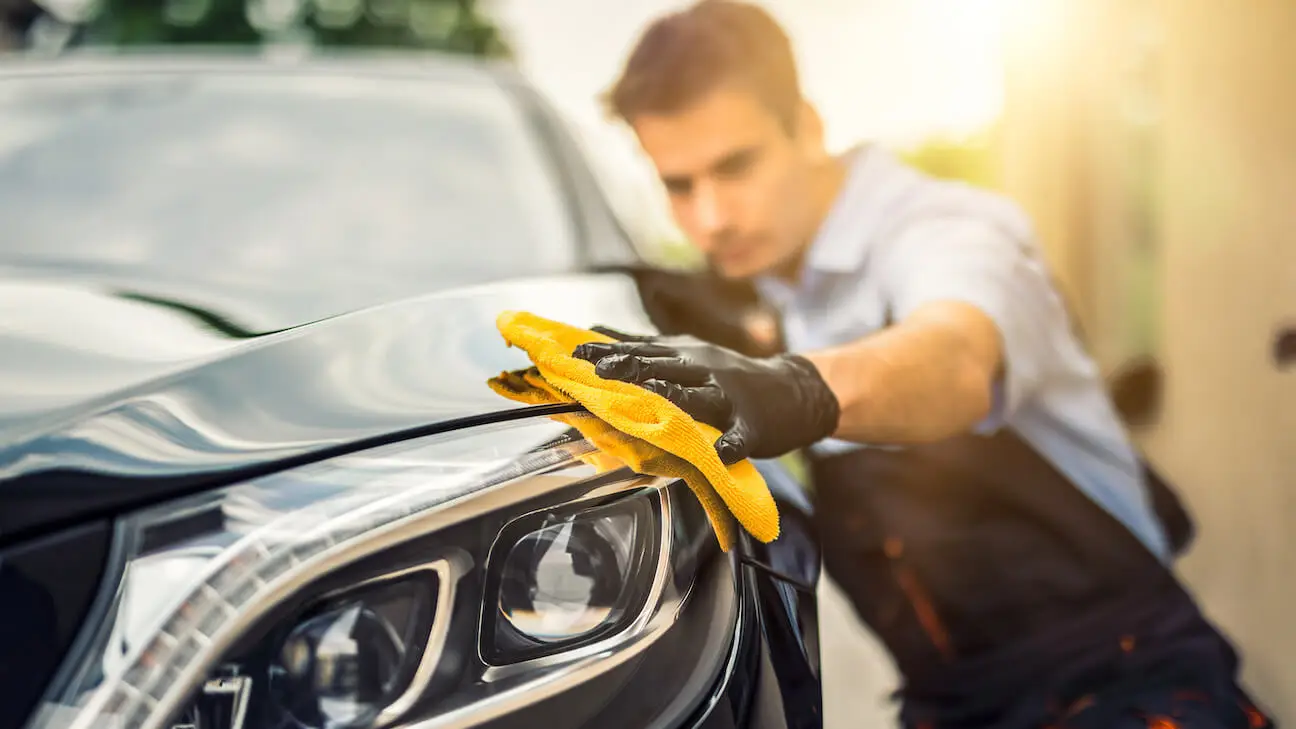
- Wash Regularly: Use a pH-balanced car shampoo and soft microfiber mitts to avoid scratching or stripping your paint. Rinse thoroughly to remove all suds and dry with a microfiber towel.
- Apply Wax or Sealant: After washing, add a protective barrier with a quality wax or paint sealant. This shields the paint from UV rays, weather, and environmental debris.
- Detail the Wheels and Tires: Brake dust and tar build-up quickly on wheels and rubber. Clean with wheel-specific products and finish with a tire dressing to prevent cracking and keep tires shiny.
- Mind the Trim and Glass: Clean windows with dedicated glass products. Condition plastic trims to prevent fading or discoloration from sun exposure and time.
Interior Detailing Best Practices
- Vacuum Thoroughly: Remove dirt, crumbs, and debris from carpets, mats, seams, and between seats. Regular vacuuming prevents the buildup that can lead to odors and fabric wear.
- Clean and Condition Surfaces: Use purpose-made cleaners for leather, plastic, or upholstery. Conditioners prevent drying and cracking, ensuring a supple and fresh appearance for years.
- Address Odors: Combat lingering smells with enzymatic cleaners or odor eliminators. For persistent issues, replace cabin air filters and increase airflow when possible.
- Disinfect High-Touch Areas: Steering wheels, door handles, and shift knobs gather germs and grime quickly. Regularly disinfect these areas to keep your vehicle safe and comfortable.
Choosing the Right Products
Selecting the right detailing products can make a significant difference. Research trusted brands that match your needs, such as long-lasting waxes, ceramic coatings, or gentle cleaners that match your vehicle’s upholstery type. Look for formulations that are tailored for either leather, fabric, or vinyl surfaces to avoid unnecessary wear or damage.
Opt for non-abrasive, pH-balanced cleaners for most surfaces. When in doubt, test a small hidden area before applying any new product. Routine use of reputable tire dressings and glass protectants can also make maintenance easier and results more professional.
Professional vs. DIY Detailing
There are distinct advantages to both professional and do-it-yourself detailing. Professionals offer expertise, specialized tools, and products that may not be available to the average consumer. They are especially useful for deep cleans, paint corrections, or preparing your vehicle for sale. On the other hand, DIY detailing is cost-effective and empowering for car owners who enjoy hands-on maintenance. Many drivers start with small tasks like washing and waxing, later advancing to full interior details as they become familiar with the process.
Establishing a Detailing Schedule
Consistency is critical in protecting your vehicle’s appearance and value. As a general guideline, a thorough detailing every 4 to 6 months is sufficient for most cars. More frequent detailing may be needed if you drive in harsh climates, park outdoors, or rack up high mileage. In between deep details, make time for light cleaning like vacuuming and wiping down high-touch surfaces every few weeks. Keeping a regular schedule not only preserves your investment but also allows early detection of wear, stains, or other issues that could affect your car’s value over time.
Conclusion
Protecting your vehicle’s value requires a proactive approach, pairing basic maintenance with regular auto detailing. Attention to both interior and exterior surfaces, along with investments in protective solutions like window tints, can keep your car looking and feeling great while increasing resale value. By embracing these practical tips and staying consistent, you can enjoy your vehicle for many miles ahead and ensure it stands out on the road.

