


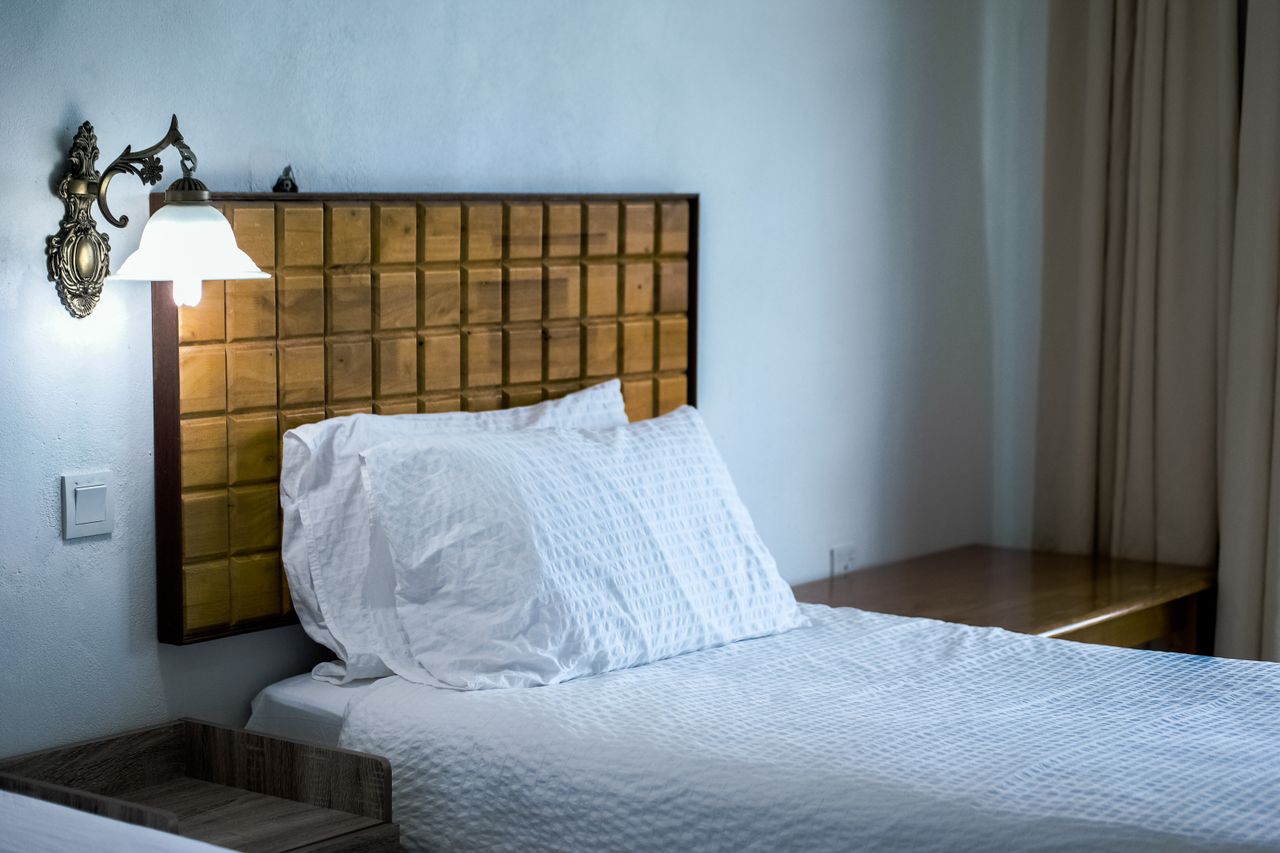
Most people picture bed bugs hiding inside a mattress. That assumption causes many infestations to go unnoticed for weeks or even months. Bed bugs spend much of their time tucked away in places that homeowners rarely inspect. They stay close to people, hide during the day, and come out when it’s time to feed.
In St. Louis, bed bugs can become a problem in apartments, single-family homes, hotels, and even office buildings. They often enter homes through luggage, secondhand furniture, visitors, or shared walls in multi-unit properties. Once inside, they look for tight, protected spaces where they can remain undisturbed.
Understanding where bed bugs hide is one of the most useful steps you can take. A thorough inspection starts with knowing the locations they prefer and recognizing the signs they leave behind.
The Tiny Spaces Along Your Mattress
Mattresses remain one of the most common hiding places because they keep bed bugs close to a sleeping host. What many homeowners miss is that the insects rarely sit out in the open. They gather inside the narrow folds around seams, tucked beneath fabric piping, and behind mattress tags. These areas provide darkness and protection while keeping them within easy reach of a blood meal.
When checking a mattress, focus on more than visible insects. Look for tiny dark spots, shed skins, and small pale eggs near stitched edges. Pay extra attention to corners because bed bugs often cluster there. A quick glance across the mattress surface usually misses the problem. Taking time to inspect every seam carefully can reveal signs long before an infestation becomes severe. If you notice multiple warning signs around your mattress, it may be time to consult experienced bed bug exterminators in St. Louis for a professional inspection.
Why Nightstands Attract Bed Bugs
Once bed bugs establish themselves near a bed, nearby furniture becomes a natural extension of the infestation. Nightstands are especially attractive because they sit close to sleeping areas and provide numerous cracks and hidden spaces.
Bed bugs commonly hide beneath drawers, inside joints where pieces of wood connect, and along the underside of furniture. They may also gather behind items stored inside drawers. Books, electronics, charging cables, and personal belongings create additional shelter where they can remain hidden during the day.
Checking a nightstand requires more than opening the drawers. Pull each drawer completely out and inspect the corners, tracks, and underside. Turn the furniture over if possible. Many infestations spread into nearby furniture before homeowners realize bed bugs have moved beyond the mattress.
Your Couch Could Be Hosting Them
Many people associate bed bugs exclusively with bedrooms. In reality, any place where people spend long periods sitting or resting can attract them. Living room furniture often becomes a secondary hiding spot, especially in homes where family members nap on couches or spend hours watching television.
Fabric sofas offer countless hiding opportunities. Bed bugs squeeze into seams, folds, cushion zippers, and spaces beneath armrests. Recliners provide even more hiding locations because of their moving parts and internal framework.
Inspecting upholstered furniture takes patience. Remove cushions and check every seam carefully. Look underneath the furniture and inside any accessible openings. If bites continue despite treating the bedroom, the living room furniture deserves close attention. Bed bugs can establish a significant presence there without drawing much notice.
Luggage That Comes Back Inside
Luggage is one of the easiest ways for bed bugs to enter a home. They can crawl into zipper seams, side pockets, wheels, handles, and the lining of a suitcase during travel. Once the bag comes back inside, bed bugs may move into bedrooms, closets, or laundry piles.
After a trip, avoid placing luggage on the bed. Empty it in an open area with good light. Check seams, pockets, and corners before storing it away. Wash travel clothes promptly and dry them with heat when the fabric allows. If you suspect exposure, keep the suitcase away from sleeping areas until you inspect it fully. These small habits can reduce the chance of bringing a problem home.
Closets and Laundry Corners
Closets can become quiet hiding areas when bed bugs travel on clothing, bedding, bags, or stored items. They usually prefer spots near where people sleep, but closets close to bedrooms give them plenty of fabric and clutter to hide in. Piles of laundry, folded blankets, shoes, and storage bins can make inspection harder.
Focus on corners, baseboards, hamper areas, and items that sit untouched for long periods. Shake out clothing over a light surface if you suspect activity. Wash and dry washable items with heat when appropriate. Avoid moving piles from one room to another without sealing them first. Careless moving can spread bed bugs into clean spaces and make the problem harder to control.
Bed bugs hide in places most homeowners rarely check. Mattresses and couches matter, but the search should also include outlets, curtains, luggage, wall décor, closets, baseboards, and nearby furniture. A careful inspection helps you understand whether you are dealing with a small issue or a wider infestation.
Look for more than live bugs. Dark spots, shed skins, tiny eggs, and repeated bites can all point to hidden activity. Avoid random spraying or moving belongings from room to room, since both can make the problem spread. If the signs keep showing up, trained exterminators can inspect the right areas and recommend a plan that fits the situation.

